About PMABC
Precision Medicine for African/Aggressive Breast Cancer (PMABC) is a collaborative institution that works with the Henry Ford Cancer Institute and leading partner institutions in West and East Africa. This collaborative exists to study the biology of aggressive breast tumors (i.e. triple-negative breast cancer) in women with African descent. TNBC is an aggressive subtype with a tendency to metastasize; with a median overall survival of only 13 to 18 months even with standard chemotherapy, women with TNBC have devastating health outcomes. Though it accounts for approximately 10-15% of all breast cancers, it disproportionately affects women with African ancestry, who have reported incidence rates of up to 80%.
The Jiagge Lab and PMABC aim to improve patient outcomes by identifying biomarkers for screening and treatment in women with African ancestry with breast cancer and to increase knowledge and access to screening methods in the African American community.

It takes a team to effect change.
Partner Institutions
Ghana

Cape Coast Teaching Hospital (CCTH)
Dr. Michael Nortey
The Cape Coast Teaching Hospital is a 400-bed capacity referral hospital serving two regions (Western and Central regions) of Ghana. It is mainly involved in clinical service, training of medical doctors (both at undergraduate and postgraduate levels), and clinical research. The hospital also serves as a focal point for clinical research and collaborates with several individuals and institutions in this regard both locally and internationally.
Ho Teaching Hospital, Ho
Dr. Nelson Affram
The Ho Teaching Hospital (HTH) is the youngest tertiary hospital in Ghana with a bed capacity of 306 and receives patients from all over the West African countries, not limited to Togo. The HTH, affiliated with the University of Health and Allied Sciences, is accredited to train members and fellows of the Ghana College of Physicians and Surgeons, the West African College of Surgeons, the Ghana College of Pharmacists, and the West African Postgraduate College of Pharmacists. The hospital provides support for the training of other healthcare professionals in specialists and postgraduate qualifications.

Tamale Teaching Hospital, Tamale
Dr. Mohammed Sherrif | Dr. Moses Dokurugu
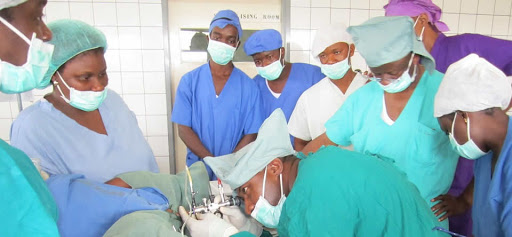
The Tamale Teaching Hospital is a regional hospital in Tamale in the Northern region of Ghana. It serves as a referral hospital for the three northern regions of Ghana. It cooperates with the University for Development Studies in Northern Ghana to offer undergraduate and graduate programs in medicine, nursing, and nutrition. The hospital is equipped with resources to conduct research, teach, and provide health care. It provides a fertile ground and significant opportunity for research in underserved populations with diverse socioeconomic backgrounds. As a Teaching hospital associated with the University for Development Studies in Tamale, Ghana, it has a senior faculty that conducts regular research, and mentors and trains junior staff (clinicians and trainees/students across multiple disciplines).
Komfo Anokye Teaching Hospital (KATH), Kumasi
Dr. Kwabena Agbedinu | Dr. Samuel Mensah
The Komfo Anokye Teaching Hospital (KATH) is the second largest tertiary hospital in Ghana with a bed capacity of 1200 and serves 12 of the 16 regions of Ghana and other neighboring West African countries. The KATH is responsible for specialty training of all grades of healthcare professionals. The hospital is also a site for clinical research and teaching by the School of Medicine and Dentistry of the Kwame Nkrumah University of Science and Technology (KNUST).
Korle Bu Teaching Hospital
Dr. Josephine Nsaful | Dr. Veneranda Nyarko
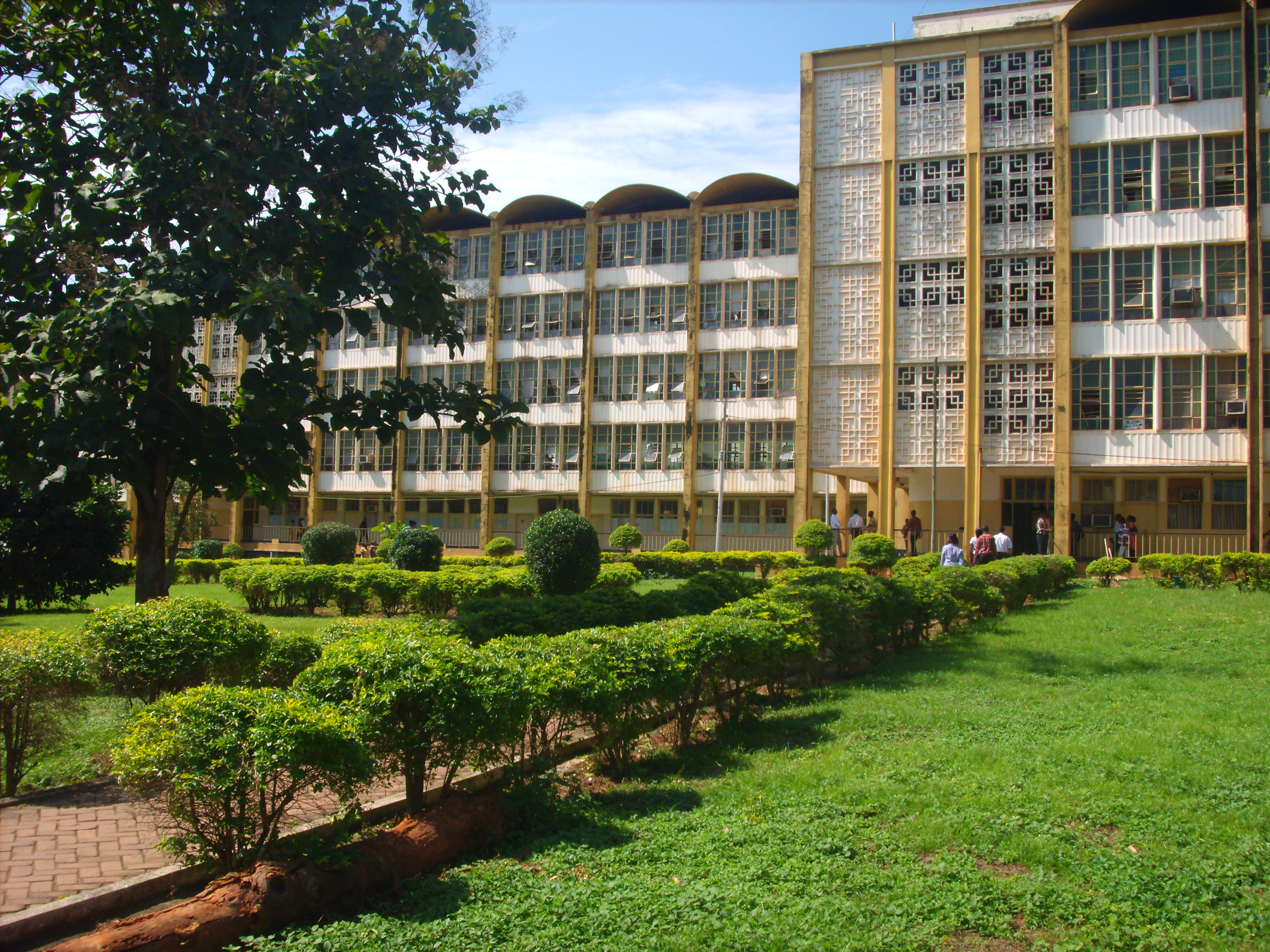
The Korle Bu Teaching Hospital (KBTH) is the largest tertiary hospital in Ghana with a bed capacity of 2000 and receives patients from all over the West African sub-region. KBTH is responsible for specialty training of all grades of healthcare professionals. The hospital is the primary site for clinical research and teaching carried out by the College of Health Sciences, which includes the University of Ghana Medical School. The Hospital has 2,000 beds and 17 clinical and diagnostic Departments/Units. It has an average daily attendance of 1,500 patients and about 250 patient admissions. The clinical and diagnostic departments of the hospital include Medicine, Child Health, Obstetrics and Gynecology, Pathology, Laboratories, Radiology, Anesthesia, Surgery, Polyclinic, Accident Centre and Surgical/Medical Emergency as well as Pharmacy. Other Departments include Pharmacy, Finance, Engineering, and General Administration. The h Hospital also provides sophisticated and scientific investigative procedures and specialization in various fields such as Neurosurgery, Dentistry, Eye, ENT, Renal, Orthopedics, Oncology, Dermatology, Cardiothoracic, Radiotherapy, Radio diagnosis, Pediatric Surgery and Reconstructive Plastic Surgery and Burns.
The Reconstructive Plastic Surgery and Burn Centre, the National Cardiothoracic Centre, and the National Centre for Radiotherapy and Nuclear Medicine also draw a sizeable number of their clientele from neighboring countries such as Nigeria, Burkina Faso, and Togo.
Kwame Nkrumah University of Science and Technology, Kumasi
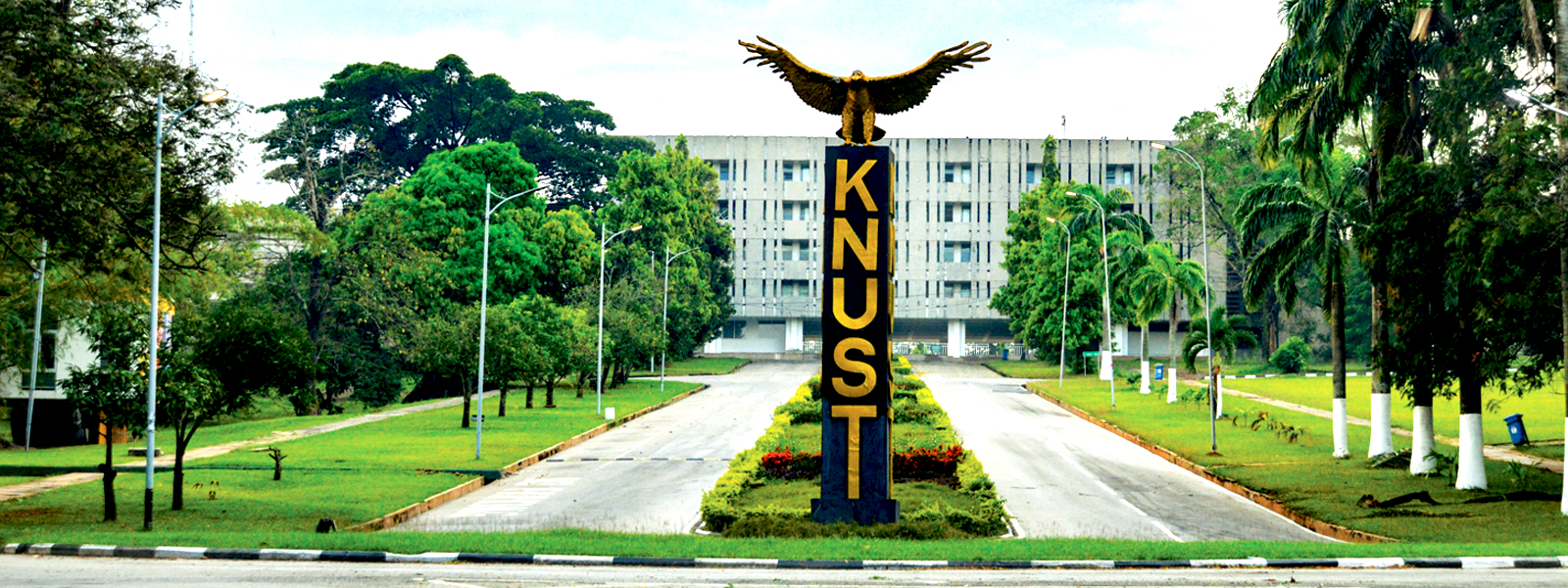
The Kwame Nkrumah University of Science and Technology is the second public university to be established in Ghana. It is globally recognized as the premier center of excellence in Africa for teaching in Science and Technology according to Educational Pathways International and features a Research Center. It was ranked best university in Ghana and West Africa by the U.S. News and World Report in 2019.
Eastern Regional Hospital, Koforidua
Dr. Forster Amponsah-Manu
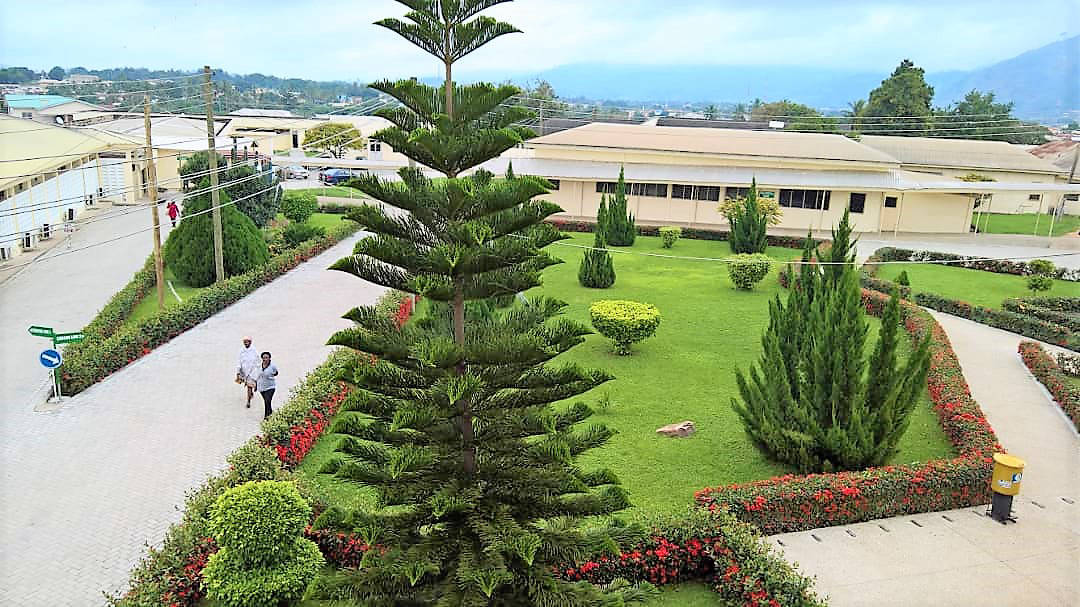
The Eastern Regional Hospital, Koforidua (ERHK) is a secondary-level referral Hospital for the entire Eastern region of Ghana and doubles as Municipal Hospital for the New Juaben Municipal with over 200,000 inhabitants. The hospital offers the following services: Obstetrics and Gynecology, Internal Medicine including antiretroviral Therapy, Pediatrics, Surgery, Dental, Ophthalmology, Physiotherapy, Ear, Nose and Throat, Dialysis, Laundry, Mortuary and Primary Healthcare Services. The hospital serves as a site for clinical research and teaching of undergraduate training of doctors in collaboration with Mount Crest University (Ghana) and Penn State University (U.S.A).
St. Joseph’s Hospital, Koforidua
St. Joseph’s Hospital is a referral and missionary hospital located in Koforidua in the Eastern Region. It is considered a faith hospital as it is administered by the Catholic church, and it is also an academic hospital that provides teaching for medical students. It also provides specialist care in visceral surgery, trauma, rehabilitation, and orthopedic surgery. The local language is English and the funding status is through NGOs and charity.


Pathologists Without Borders, Accra
Dr. Patrick Kafui Akakpo
Pathologists without Borders is an anatomic pathology laboratory that supports research into cancers that commonly afflict the population it serves. It draws from the rich experience of its pathologists and their years of dedicated service in anatomic pathology. With 10,000 cases reported a year and up to 2500 breast core biopsies reported a year, the laboratory provides an environment that is conducive for collaborative research. This is further enhanced by the countrywide presence of Pathologists without Borders with collection centers in Accra, Tema, Akatsi in the Volta region and Tamale in the Northern region of Ghana. The laboratory receives specimens from as far as the Upper East region and from West African Countries such as Sierra Leone, The Gambia, Liberia, and Nigeria. With the hub located in Accra, the capital of Ghana, the laboratory operates through its spokes to collect samples from across the country. Again, by relying on a network of buses, facilities that are located outside the catchment of the spokes can send specimens to the hub in Accra.
Tanzania
Kilimanjaro Christian Medical Center
Dr. Alex Mremi | Dr. Theresia Mwakyembe
Kilimanjaro Christian Medical Centre (KCMC) is a tertiary referral hospital with a bed capacity of 750 and receives patients from the northern part of the country with a catchment area of about 15 million people. The KCMC is the University Teaching Hospital for the Kilimanjaro Christian Medical University College (KCMUCo) responsible for both undergraduate and postgraduate training of various healthcare professionals. The hospital is the primary site for clinical research including clinical trials


Muhimbili National Hospital
Muhimbili National Hospital (MNH) is a national referral hospital and in Tanzania, with a 1500-bed capacity and attends to about 2000 outpatients per day. It is in Upanga West ward of Ilala District in Dar es Salaam Region of Tanzania. It is the national referral hospital as well as the academic and research facility for the Muhimbili University of Health and Allied Sciences. It offers specialty care across the spectrum of clinical medicine. About 40% of its beds are for private patients.
Mbeya Regional Hospital
Mbeya Regional Hospital, located in Mbeya, Tanzania, is a key public healthcare facility serving the region with a range of services including general medicine, surgery, pediatrics, obstetrics, and gynecology. With a capacity of approximately 400 beds, the hospital provides critical care such as ICU services, maternity and neonatal care, and specialized treatment for HIV/AIDS and tuberculosis. As a regional referral hospital, it plays a crucial role in the healthcare system, supporting lower-level facilities and acting as a training center for medical professionals.


Bugando Medical Center
Bugando Medical Center, also known as Bugando Referral Hospital, is one of the largest hospitals in Tanzania, located in Mwanza on the shores of Lake Victoria. Established in 1971, it is a tertiary referral and teaching hospital affiliated with the Catholic Church through the Tanzania Episcopal Conference. With a bed capacity of approximately 900, the center provides a wide range of medical services, including emergency and trauma care, general surgery, internal medicine, pediatrics, obstetrics and gynecology, orthopedics, cardiology, and neurology.
Rwanda
Kigali University Teaching Hospital/CHUK
Dr. Gervais Ntakirutimana | Dr. Theoneste Maniragaba
Kigali University Teaching Hospital, also known as Centre Hospitalier Universitaire de Kigali (CHUK), is a prominent teaching and referral hospital located in Kigali, Rwanda. As one of the largest hospitals in the country, CHUK provides a wide range of medical services, including emergency care, surgery, internal medicine, pediatrics, obstetrics and gynecology, and specialized treatments. It plays a crucial role in medical education and research, training healthcare professionals, and advancing medical knowledge in Rwanda.

South Africa

University of Western Cape
The University of the Western Cape (UWC), located in Bellville, South Africa, is a public university renowned for its commitment to academic excellence and social justice. Established in 1960, UWC has a rich history of advocating for equal access to education during the apartheid era. It offers a diverse range of undergraduate and postgraduate programs across various fields, including natural and social sciences, law, arts, and health sciences. UWC is recognized for its strong research output and dedication to community engagement and development.
Uganda
Mulago Hospital
Dr. Kalungi Sam
Mulago Hospital, situated in a key region of Tanzania, is a healthcare facility known for providing essential medical services to the local community. It offers a range of healthcare services including emergency care, general medicine, surgery, maternity, and pediatrics. It offers Pediatric, Surgery, and Internal Medicine services with all their subspecialties. The diagnostic services include Radiology, Clinical Laboratory, Pathology, and Nuclear Medicine. The hospital is committed to improving health outcomes in the region through quality care and community health programs, playing a crucial role in addressing the healthcare needs of its population.

Nigeria

Baze University/Federal Medical Center Abuja
Dr. Benjamin Olayinka Popoola | Dr. Oiza Tessy Ahmadu
Baze University, located in Abuja, Nigeria, is a private institution known for its high academic standards and modern facilities. It offers a range of undergraduate and postgraduate programs in various fields, emphasizing practical skills and research. The Federal Medical Center Abuja, a major healthcare facility, provides comprehensive medical services and serves as a training ground for medical professionals. Both institutions play vital roles in advancing education and healthcare in Nigeria’s capital.
Botswana
University of Botswana
The University of Botswana, located in Gaborone, is the premier institution of higher education in Botswana. Established in 1982, it offers a wide array of undergraduate and postgraduate programs across diverse disciplines such as humanities, social sciences, natural sciences, engineering, and business. Known for its strong research initiatives and commitment to academic excellence, the university plays a pivotal role in advancing education, fostering innovation, and contributing to the social and economic development of Botswana.


University of Namibia
The University of Namibia was established by an Act of Parliament, on 31 August 1992. The institution is headed by a Chancellor, which is a titular position, and therefore not directly involved in the day to day running of the institution. The Vice Chancellorship, functions as Chief Executive Officer of the University and reports directly to the University Council. The UNAM Council is the highest decision making body of the University.
It takes a team to effect change.
Collaborators
Dr. Max Wicha
(University of Michigan), the leader in breast cancer stem cell research, to discover the molecular pathways that regulate the breast cancer stem cells in women of African ancestry.


Dr. Sophia Merajver
(University of Michigan), a leader in studying genetic and hereditary breast cancer, to study the genetics of African breast cancer.
Dr. John Carpten
(University of California San Francisco) to study the differential regulation of genes. Dr. Thompson-Carino, Dr. Wicha, and Dr. Carpten serve as her mentors.


Dr Patrick Kafui Akakpo
(University of Cape Coast) Senior Lecturer at the Department of Pathology, to modernize pathology practice in Ghana to better understand the molecular pathology of cancers that afflict our people.